
Table of Contents
Everyday, millions of Indian kitchens throw away what nutrition science considers one of the most mineralden dense seeds in the plant kimdom. This is the complete investingation into what pumpkin seeds actually contain, what 12 years of clinical trials show about their benefits, what the real risks are, and exactly how to eat them in an Indian kitchen for maximum nutrition.
The Seed Indians Throw Away

Walk into any Indian kitchen where someone is cooking kaddu ki sabzi or kaddu ka halwa, and there is an almost universal moment that happens when the pumpkin is split open: the seeds and the stringy flesh attached to them get scooped out togather and thrown directly into the bin. This is a habit so automatic, so unremarkable, that most households have never questioned it. It is simply what you do with pumkin seed – you discard theme. This article is, in someways one long argument against that single habits.
Pumpkin seed – called kaddu ki sabzi in hindi, bhopal beej in marathi, gummadikaya vittanalu in Telugu, mathangayile kuru in Malayalam, and kumbalakayi binjagalu in Kannada — are botanically the seeds of Cucurbita pepo, the species of squash that produces the common pumpkin grown across India. The green, hull-less variety sold in Indian health stores and online under the name “pepitas” is the same seed, simply with the white outer shell removed for easier eating. Both forms are nutritionally equivalent once the shell is off. What the USDA nutrient database shows for these seeds, and what peer-reviewed clinical research has confirmed over the last two decades about their specific bioactive compounds, places them firmly in the category of foods that most Indians are actively missing from their diet while literally growing the plant in their kitchen gardens or buying the fruit weekly at the vegetable market.
The reason pumpkin seeds are routinely discarded rather than eaten in Indian households is almost entirely habit and unfamiliarity — not cost, since obtaining them is literally free when you are already cooking pumpkin, and not taste, since dry-roasted pumpkin seeds with a pinch of salt are genuinely pleasant in a way that requires almost no culinary skill to achieve. The nutritional argument for eating them is, as this investigation will lay out in detail, exceptionally strong — particularly for specific populations that are disproportionately affected by the exact deficiencies that pumpkin seeds correct best, including the widespread zinc deficiency in Indian vegetarians, the chronic magnesium insufficiency documented across Indian adult populations, and the iron deficiency anaemia that affects approximately 50% of Indian women of reproductive age.
Pumpkin Seed benefits and in Indian Languages
| Language | Name | Region |
|---|---|---|
| Hindi | Kaddu ke Beej / Kaddu Beej | North India, widely used |
| Marathi | Bhopla Beej / Kala Bhopla Beej | Maharashtra |
| Telugu | Gummadikaya Vittanalu / Gummadikaya Ginjalu | Andhra Pradesh, Telangana |
| Tamil | Poosanikai Vithai / Pucani Vitaikal | Tamil Nadu |
| Malayalam | Mathangayile Kuru / Mathanga Vithu | Kerala |
| Kannada | Kumbalakayi Binjagalu | Karnataka |
| Bengali | Kumro Beej / Misty Kumror Bij | West Bengal, Bangladesh |
| Gujarati | Kola na Beej | Gujarat |
| Punjabi | Kaddu de Beej | Punjab, Haryana |
| Urdu / Unani | Magaz-e-Kaddu / Tukhm-e-Kaddu | Traditional medicine usage |
The Complete Nutritional Profile — What Is Inside One Seed
Understanding what pumpkin seeds contain at a molecular level explains, more clearly than any health claim, why they have been used medicinally across Ayurveda, Traditional Chinese Medicine and traditional Mexican herbal systems for centuries — and why modern clinical research keeps returning to them. Is it more valuable than Wheat and rice?
Before reading the nutrient table below, one important framing note: pumpkin seeds are highly calorie-dense and fat-rich, which means the numbers for nutrients like magnesium, zinc and iron per 100g look extraordinarily high — but a realistic daily serving is 28-30g (approximately one small handful or four to five teaspoons), not 100g. The per-100g figures are given here for scientific comparison purposes and for consistency with international nutrition databases; the per-28g figures are what actually apply to daily Indian kitchen use. Even at 28g, pumpkin seeds deliver approximately 157 kcal, 8.5g protein, 166mg magnesium (almost 40% of the daily requirement from one small handful), 2.2mg zinc, 2.5mg iron and 5g of healthy unsaturated fat — a genuinely impressive nutritional contribution for a food that is currently being thrown away.
| Nutrient | Per 100g | Per 28g (1 handful) | % Daily Value (28g) | Clinical Significance |
|---|---|---|---|---|
| Calories | 559 kcal | 157 kcal | ~8% | Energy-dense — small portion goes far |
| Protein | 30.2 g | 8.5 g | 17% | Complete amino acid profile including all essential amino acids |
| Total Fat | 49.0 g | 13.7 g | — | Primarily MUFA and PUFA — cardioprotective |
| Saturated Fat | 8.7 g | 2.4 g | 12% | Moderate — within acceptable limits |
| Omega-3 (ALA) | ~0.1 g | — | — | Low omega-3 — supplement separately if needed |
| Omega-6 (LA) | ~20.7 g | ~5.8 g | — | Anti-inflammatory in balance — high in pumpkin seed |
| Carbohydrate | 10.7 g | 3.0 g | 1% | Very low carb — safe for diabetics |
| Dietary Fibre | 6.0 g | 1.7 g | 6% | Prebiotic fibre — gut microbiome support |
| Magnesium | 592 mg | 166 mg | 40% | Highest magnesium of any common seed — critical for insulin, heart, bone, sleep |
| Zinc | 7.81 mg | 2.2 mg | 20% | Best plant-based zinc source — immunity, skin, male fertility, wound healing |
| Iron | 8.82 mg | 2.5 mg | 14-31% | More iron than beef per gram — critical for anaemia in Indian women |
| Phosphorus | 1233 mg | 345 mg | 28% | Bone mineralisation, energy (ATP) synthesis |
| Potassium | 809 mg | 227 mg | 5% | Blood pressure, electrolyte balance |
| Copper | 1.34 mg | 0.38 mg | 42% | Iron absorption, collagen synthesis, nerve function |
| Manganese | 4.54 mg | 1.27 mg | 55% | Antioxidant enzyme (superoxide dismutase) cofactor |
| Calcium | 46 mg | 13 mg | 1% | Minor source — not a substitute for dairy or ragi |
| Vitamin E | 2.18 mg | 0.61 mg | 4% | Antioxidant — protects cell membranes from oxidation |
| Vitamin K | 7.3 mcg | 2.0 mcg | 2% | Blood clotting — relevant for anticoagulant drug interactions |
| Vitamin B1 (Thiamine) | 0.27 mg | 0.08 mg | 7% | Energy metabolism, nerve function |
| Niacin (B3) | 4.99 mg | 1.4 mg | 9% | Energy metabolism, cholesterol management |
| Folate (B9) | 58 mcg | 16 mcg | 4% | DNA synthesis, pregnancy — supplementary source |
| Tryptophan | ~576 mg | ~161 mg | High | Precursor to serotonin and melatonin — sleep and mood regulation |
| Phytosterols | ~265 mg | ~74 mg | — | Beta-sitosterol — LDL cholesterol reduction, prostate health |
🔬 Pharmacist’s Note — Bioavailability
Raw pumpkin seeds contain phytic acid — an antinutrient that binds zinc, iron and magnesium in the gut and reduces their absorption. The practical mitigation: soaking raw seeds in water for 8-12 hours before drying and roasting reduces phytic acid by 20-30%, meaningfully improving mineral bioavailability. Dry-roasting alone at moderate heat (150-160°C for 10-12 minutes) also reduces phytate and improves digestibility without significantly damaging heat-sensitive nutrients. Sprouted pumpkin seeds have the lowest phytic acid content and the highest mineral bioavailability of all preparation forms. Eating pumpkin seeds alongside Vitamin C rich foods (amla, lemon, tomato) enhances iron absorption specifically — a practically important tip for vegetarian Indians relying on pumpkin seeds as an iron source.
12 Evidence-Based Health Benefits of Pumpkin Seeds
Each benefit below is traceable to either a direct clinical trial on pumpkin seeds or to well-established biochemical evidence for a nutrient found in significant quantities in pumpkin seeds. Where only animal or preclinical evidence exists, that is stated clearly — not passed off as proven human benefit.
01Mineral Nutrition · India-Specific
Corrects India’s Most Widespread Nutritional Deficiencies in a Single Seed
To understand why pumpkin seeds matter particularly for India, it helps to look at which deficiencies are most prevalent in the Indian adult population and then look at whether pumpkin seeds address them. The answer is almost uncanny in how well they line up. Zinc deficiency affects an estimated 25-30% of Indians — particularly in vegetarian populations, since plant-based zinc is less bioavailable than zinc from animal sources and most Indian staple foods (rice, wheat, dal) are only modest zinc sources relative to daily requirements. Pumpkin seeds are one of the richest plant-based zinc sources available anywhere, providing 7.81mg per 100g — making them competitive with meat sources like beef and mutton on a per-gram basis when phytate reduction measures are applied. A single 28g daily serving contributes approximately 20% of the daily zinc requirement, a meaningful contribution when combined with other dietary zinc sources.
Magnesium insufficiency is similarly widespread in India — large population surveys consistently find a significant proportion of Indian adults consuming well below the recommended 310-420mg of magnesium daily. This matters clinically because magnesium is a cofactor in over 300 enzymatic reactions in the human body, including those governing insulin sensitivity, nerve conduction, muscle relaxation, blood pressure regulation, and the synthesis of ATP — the body’s primary energy molecule. The consequences of chronic low magnesium are not usually dramatic or obvious in the short term, but over years they contribute to elevated blood pressure, impaired glucose metabolism, increased cardiovascular risk, poor sleep quality, and muscle cramps. Pumpkin seeds address this deficiency more powerfully than almost any other common food: 28g provides approximately 40% of the daily magnesium requirement — more than a cup of cooked spinach, more than a banana, and more than any common Indian grain or legume per serving.
Iron deficiency anaemia affects approximately 50% of Indian women of reproductive age and a significant proportion of children — one of the highest rates in the world. While pumpkin seeds are not the primary recommendation for severe iron deficiency (which typically requires medical intervention and concentrated iron supplementation), their iron content of 8.82mg per 100g is noteworthy for a plant food. For context, this exceeds the iron content of beef liver per gram, though the non-haem iron in plant foods is absorbed less efficiently than haem iron from animal sources. When pumpkin seeds are eaten alongside Vitamin C (lime squeezed over roasted seeds, for instance, or eating them with amla chutney or tomato), non-haem iron absorption improves by 2-3 times — making this a practically useful and affordable supplementary iron source for vegetarian Indian women.
02Men’s Health · Clinical Trial Evidence
Supports Prostate Health and Reduces BPH Symptoms — With Actual Clinical Trials Behind It
This is the benefit most commonly associated with pumpkin seeds in nutritional literature, and it is also one of the better-evidenced ones. Benign prostatic hyperplasia (BPH) — the non-cancerous enlargement of the prostate gland that causes urinary symptoms including frequent urination, incomplete bladder emptying, weak urine stream, and nocturia (waking to urinate at night) — affects more than 50% of men over the age of 50 worldwide, and India is no exception given its large and ageing male population. The conventional pharmaceutical treatment involves alpha-blockers (like tamsulosin) or 5-alpha-reductase inhibitors (like finasteride), but many patients seek complementary approaches, which is where pumpkin seed research becomes directly relevant.
The mechanistic rationale for pumpkin seeds in BPH is well-established: pumpkin seeds are rich in beta-sitosterol, a phytosterol that inhibits 5-alpha-reductase — the enzyme that converts testosterone into dihydrotestosterone (DHT), which is the primary driver of prostate cell proliferation and enlargement. Multiple trials with beta-sitosterol supplementation at doses of 60-130mg per day have demonstrated significant improvements in urinary flow rate and International Prostate Symptom Score (IPSS). Pumpkin seeds also contain high concentrations of zinc, which accumulates in healthy prostate tissue and appears to regulate prostate cell growth through zinc transporter mechanisms — zinc deficiency is independently associated with elevated BPH risk. A randomised placebo-controlled trial published in 2016, enrolling 1,431 men with BPH (average age 65), found clinically significant IPSS improvement in the pumpkin seed extract group over 12 months compared to placebo. A separate single-blind randomised trial comparing pumpkin seed oil (360mg twice daily) directly against tamsulosin (0.4mg nightly) found that pumpkin seed oil produced symptom relief without the side effects of tamsulosin (which commonly causes retrograde ejaculation and orthostatic hypotension), though it was less effective overall than the pharmaceutical. The clinical takeaway: pumpkin seeds are a reasonable, evidence-supported dietary adjunct for men with mild-to-moderate BPH symptoms — not a replacement for medical treatment in severe cases, but a genuinely useful food-based intervention with a favourable safety profile.
03Neuroscience · Sleep · Mood
Tryptophan → Serotonin → Melatonin: The Biochemical Sleep Pathway in a Seed
This is the benefit that most interested me as a pharmacy student, because it represents a clear, traceable biochemical pathway from a food nutrient to a physiological outcome — exactly the kind of mechanism-to-effect linkage that separates genuine pharmacological nutrition from wellness marketing. Pumpkin seeds are exceptionally rich in tryptophan — an essential amino acid (meaning the body cannot synthesise it and must obtain it from food) that serves as the biochemical precursor for both serotonin and melatonin. The pathway works as follows: dietary tryptophan is absorbed in the small intestine and crosses the blood-brain barrier, where it is converted by the enzyme tryptophan hydroxylase into 5-hydroxytryptophan (5-HTP), which is then decarboxylated to serotonin — the neurotransmitter associated with mood stabilisation, emotional wellbeing and appetite regulation. Serotonin is subsequently converted by N-acetyltransferase and hydroxyindole-O-methyltransferase (HIOMT) in the pineal gland into melatonin, the hormone that regulates the circadian rhythm and directly governs sleep onset and sleep quality.
A 28g serving of pumpkin seeds provides approximately 161mg of tryptophan. Clinical research suggests that consuming 1g or more of tryptophan before sleep can meaningfully improve sleep latency (time to fall asleep) and sleep quality in people with mild insomnia — and pumpkin seeds, combined with a small carbohydrate source (which promotes the insulin response that clears competing amino acids from the bloodstream and allows more tryptophan to cross into the brain), represent a practical, food-based way to increase brain tryptophan availability. The traditional Ayurvedic and folk medicine use of warm milk with ground pumpkin seeds before sleep — found in parts of Gujarat and Rajasthan — has a biochemical basis that is thoroughly consistent with modern sleep neuroscience: the milk provides tryptophan and calcium (which also promotes melatonin production), the pumpkin seeds add additional tryptophan, and the carbohydrate from any accompanying food assists transport. The magnesium in pumpkin seeds adds another sleep-related mechanism, since magnesium activates the parasympathetic nervous system (rest-and-digest mode) and has been shown in clinical trials to improve sleep duration and quality, particularly in older adults with insomnia.
04Cardiovascular Health
Heart Protection — Magnesium, Phytosterols, Unsaturated Fats and Nitric Oxide
Pumpkin seeds protect cardiovascular health through multiple parallel mechanisms that work both independently and in synergy, making them one of the more comprehensively cardioprotective whole foods available. The magnesium content is perhaps the most impactful single factor: magnesium directly relaxes vascular smooth muscle, reducing peripheral vascular resistance and thereby lowering blood pressure — a mechanism so well-established that magnesium supplements are used clinically in hypertensive patients. Large prospective cohort studies have shown that populations with higher dietary magnesium intake have measurably lower rates of ischaemic heart disease, stroke, and cardiovascular mortality. India has an alarmingly high and rising cardiovascular disease burden, and inadequate magnesium intake is one of the modifiable contributing factors — making magnesium-dense foods like pumpkin seeds particularly relevant in an Indian public health context.
The phytosterols in pumpkin seeds — particularly beta-sitosterol at approximately 265mg per 100g — compete directly with cholesterol for absorption in the small intestine. When phytosterols occupy cholesterol absorption receptors in the gut, less dietary cholesterol enters the bloodstream, reducing LDL (“bad”) cholesterol levels. This is the same mechanism exploited by commercially sold phytosterol-fortified margarine and yoghurt, but obtained here from a whole food. The polyunsaturated fatty acids (primarily linoleic acid, an omega-6 fatty acid) in pumpkin seed oil also contribute to LDL reduction through their effects on hepatic cholesterol metabolism. Additionally, research has demonstrated that antioxidants in pumpkin seeds — including Vitamin E, carotenoids, and phenolic compounds — increase nitric oxide synthesis, which keeps arterial walls smooth, flexible and resistant to plaque formation, reducing atherosclerosis risk.
05Diabetes · Blood Sugar
Blood Sugar Regulation — Magnesium, Hypoglycaemic Compounds and Very Low GI
Pumpkin seeds are remarkably well-suited for inclusion in diabetic diets for several reasons that operate through distinct biochemical pathways. First, their glycemic index is essentially negligible — pumpkin seeds are predominantly fat and protein, with only 10.7g of carbohydrate per 100g (and most of that is fibre), meaning they produce no significant blood glucose spike when eaten. This makes them one of the very few high-calorie snack foods that diabetics can eat without any concern about glycemic impact. Second, the magnesium content is directly relevant to blood sugar management: magnesium is an essential cofactor for insulin receptor function and the intracellular signalling cascade that allows cells to take up glucose in response to insulin. Chronic magnesium insufficiency impairs insulin sensitivity — the mechanism through which magnesium deficiency is associated with elevated Type 2 diabetes risk in population studies. Correcting magnesium insufficiency through dietary means, including regular pumpkin seed consumption, can modestly but measurably improve insulin sensitivity in individuals with low baseline magnesium levels.
Beyond magnesium, pumpkin seeds contain bioactive compounds including nicotinic acid derivatives and trigonelline that have demonstrated hypoglycaemic effects in animal models — directly reducing blood glucose by mechanisms involving enhanced insulin secretion and reduced hepatic glucose output. Importantly, experimental studies have also suggested a potential role for pumpkin seed components in preventing diabetic nephropathy (kidney disease secondary to diabetes), which is one of the most serious and common complications of long-term uncontrolled diabetes in India. This evidence remains primarily preclinical but points toward mechanisms that make pumpkin seeds particularly interesting from a pharmacological nutrition standpoint.
06Immunity · Skin · Wound Healing
Zinc — The Immunity and Skin Mineral That India Is Chronically Short Of
India’s zinc deficiency problem deserves specific attention because its consequences are pervasive and often misattributed. Zinc is essential for the development and function of T-lymphocytes, natural killer cells and neutrophils — the cellular soldiers of the immune system. Zinc deficiency impairs every arm of immune function: it reduces the thymus gland’s output of mature T-cells, blunts natural killer cell cytotoxicity, and disrupts inflammatory cytokine regulation in ways that both weaken defence against pathogens and paradoxically promote chronic low-grade inflammation. Children with zinc deficiency have measurably higher rates of recurrent respiratory infections, diarrhoeal disease and growth faltering — all major public health problems in India. Adults with zinc deficiency have impaired wound healing (zinc is required for collagen synthesis and cell proliferation at wound sites), compromised skin integrity (zinc deficiency characteristically causes acne, rough skin, and slow healing of minor cuts), and reduced fertility in both men and women.
Pumpkin seeds are one of the best plant-based correctives for this widespread Indian deficiency. Their 7.81mg zinc per 100g is comparable to meat sources and dramatically higher than the zinc content of most plant foods — even after accounting for phytate-related reduced bioavailability (which can be reduced by soaking or sprouting). For vegetarian Indians, who have fewer high-bioavailability zinc sources than omnivores, incorporating a daily handful of soaked or roasted pumpkin seeds into the diet is one of the most practical single steps available to address zinc insufficiency without supplementation.
07Reproductive Health · Men & Women
Male and Female Fertility Support — Zinc, Antioxidants and Hormonal Regulation
The traditional use of pumpkin seeds as a fertility-enhancing food in multiple cultures — including their historical use in Indian folk medicine for male reproductive health — has a solid biochemical basis that modern research has begun to validate systematically. For male fertility specifically, zinc is essential at virtually every stage of sperm production and function: spermatogenesis (sperm production in the testes) depends on zinc-dependent enzymes; sperm DNA integrity is protected by zinc-containing antioxidant mechanisms; sperm motility and the acrosome reaction (required for egg fertilisation) are zinc-dependent processes. Male infertility is increasingly common in India, with environmental factors (pesticide exposure, heat, sedentary lifestyle) contributing alongside nutritional factors. Clinical research has demonstrated that zinc supplementation improves sperm count, motility and morphology in zinc-deficient men. Combining zinc from pumpkin seeds with Vitamin E (also present in pumpkin seeds) and healthy unsaturated fats creates a synergistic nutritional package supporting testicular health and sperm function.
For female fertility, zinc plays important roles in regulating estrogen and progesterone production, supporting follicular development in the ovary, and maintaining the integrity of the luteal phase after ovulation. Magnesium from pumpkin seeds additionally supports healthy menstrual cycle function and is associated with lower severity of premenstrual syndrome symptoms — a finding from multiple double-blind placebo-controlled trials showing that magnesium supplementation significantly reduces premenstrual mood symptoms, bloating and cramping. A 28g daily serving of pumpkin seeds providing 166mg magnesium represents a meaningful dietary contribution to the total magnesium intake needed for this effect, though clinical studies used supplemental doses (typically 300-400mg daily) rather than food sources specifically.
08Antiparasitic · Traditional Medicine
Natural Antiparasitic Action — Cucurbitin and the Intestinal Worm Connection
This benefit sits at the intersection of traditional medicine and emerging pharmacological evidence in a way that is particularly interesting from a pharmacy student’s perspective. Pumpkin seeds have been used as a traditional remedy for intestinal worm infestations across cultures spanning centuries — from Ayurvedic texts that document kaddu beej for intestinal parasites, to traditional Chinese medicine, to indigenous North and South American healing traditions. Modern phytochemical research has identified the likely active compound responsible: cucurbitin (beta-amino butyric acid), an unusual amino acid found almost exclusively in cucurbit seeds, which has been shown in both animal studies and small human trials to have paralytic effects on tapeworm segments (proglottids) and to facilitate their expulsion from the gastrointestinal tract. The mechanism appears to involve cucurbitin interfering with the neuromuscular transmission of the parasite, causing paralysis without killing the worm — which is then expelled by normal intestinal peristalsis.
The clinical evidence for pumpkin seeds specifically against Taenia tapeworms (the beef and pork tapeworms that remain relevant in India, particularly in regions where food handling standards are variable) is not as robust as evidence for pharmaceutical anthelminthics like albendazole or mebendazole, and pumpkin seeds should not be used as a substitute for medical treatment in confirmed parasitic infections. However, as a traditional preventive measure and dietary practice — particularly relevant in rural India where intestinal parasite exposure is higher — the antiparasitic folk use of pumpkin seeds has more biochemical credibility than most traditional food remedies. This is one of the rare cases where Ayurvedic tradition and modern phytochemistry are pointing in the same direction.
09Bone Health
Bone Density Support — Magnesium, Phosphorus, Zinc and Manganese Working Together
Bone health is not simply a calcium problem, despite the way most calcium supplement advertisements frame it. Bone mineralisation requires an orchestra of minerals working together — and pumpkin seeds provide a remarkable number of the musicians in that orchestra, even if not the lead instrument. Magnesium is required for the conversion of Vitamin D into its active form (calcitriol), which in turn is required for calcium absorption from the gut. Without adequate magnesium, calcium supplementation is partially ineffective because the intestinal calcium absorption mechanism doesn’t function properly. This is one reason why populations consuming high calcium but low magnesium diets may still develop osteoporosis — the calcium cannot be properly absorbed and deposited in bone without adequate magnesium as a cofactor. Phosphorus, present in very high amounts in pumpkin seeds (1233mg per 100g), is literally a structural component of the hydroxyapatite crystal that forms the mineral matrix of bone — approximately 85% of the body’s phosphorus is in bone and teeth. Zinc is required for osteoblast (bone-forming cell) proliferation and function, and zinc deficiency measurably impairs bone formation rate. Manganese is essential for the synthesis of glycosaminoglycans — the organic matrix compounds of cartilage and bone on which mineral crystals are deposited. Eating pumpkin seeds daily provides meaningful amounts of all four of these bone-relevant minerals simultaneously.
10Cancer Prevention · Preclinical Evidence
Potential Cancer-Preventive Properties — Phytosterols, Lignans and DHEA-Blocking Compounds
The cancer-preventive evidence for pumpkin seeds requires careful handling because most of it is preclinical — cell culture and animal studies — rather than large-scale human clinical trials. That caveat stated, the mechanistic evidence is interesting enough to include here with appropriate epistemic framing. Pumpkin seeds contain phytosterols — primarily beta-sitosterol — that research suggests may inhibit cancer cell proliferation through several mechanisms: phytosterols have been shown to induce apoptosis (programmed cell death) in prostate, breast and colon cancer cell lines; they inhibit the angiogenesis (new blood vessel formation) that tumours require to grow beyond a certain size; and they modulate signal transduction pathways involved in cell cycle regulation. Pumpkin seeds also contain lignan precursors, which are converted by gut bacteria into enterolactone and enterodiol — phytoestrogens with anti-oestrogenic effects that are associated in large epidemiological studies with reduced risk of hormone-dependent cancers including breast and endometrial cancer in postmenopausal women. Research has additionally identified compounds in pumpkin seeds that block DHEA (dehydroepiandrosterone) receptor activity at the tissue level, which may reduce the risk of gonadal tumours. None of this constitutes proof that eating pumpkin seeds prevents cancer in humans — the studies needed to confirm that would require randomised controlled trials at a scale that has not been conducted. But the mechanistic evidence is plausible, consistent across multiple pathways, and makes pumpkin seeds a reasonable functional food inclusion in a cancer-preventive dietary pattern.
11Gut Health · Fibre
Prebiotic Fibre — Feeding the Gut Microbiome That Governs Immunity and Mood
Pumpkin seeds contain approximately 6g of dietary fibre per 100g — a mix of insoluble fibre (from the seed hull, if eaten unshelled) and a smaller proportion of soluble fibre. For the green, hull-less pepita variety sold in Indian health stores (and the seeds typically used when removing them from pumpkin at home and roasting them), the fibre is primarily from the kernel itself and is moderately soluble, making it a good prebiotic substrate — meaning it preferentially feeds Bifidobacterium and Lactobacillus species in the large intestine rather than pathogenic bacteria. A healthy gut microbiome, fed by regular dietary fibre, produces short-chain fatty acids (particularly butyrate) that nourish the colonic epithelium, reduce intestinal permeability (“leaky gut”), and modulate immune function — since approximately 70-80% of the body’s immune cells reside in gut-associated lymphoid tissue, the microbiome-immune connection is among the most important in modern nutritional immunology. The fibre in pumpkin seeds also adds bulk to stool, supports regular bowel movements, and reduces the transit time that allows carcinogens to remain in contact with the colonic mucosa — a protective mechanism relevant to the colorectal cancer prevention discussed above.
12High-Quality Plant Protein
Complete Plant Protein — All Essential Amino Acids Including Lysine and Methionine
Protein quality in plant foods is assessed by their essential amino acid profile — whether they contain all nine essential amino acids that the human body cannot synthesise and must obtain from food. Many plant proteins are “incomplete” — they are deficient in one or more essential amino acids. Wheat, for example, is limiting in lysine; rice is limiting in both lysine and threonine. Pumpkin seeds are remarkable among plant protein sources in that they contain all nine essential amino acids at meaningful concentrations, making them a genuinely complete plant protein — a status shared in the plant kingdom primarily with soya, quinoa and hemp seeds. Their PDCAAS (Protein Digestibility-Corrected Amino Acid Score) is approximately 0.63-0.75, which is lower than animal proteins (1.0) but substantially better than most plant proteins and comparable to legumes. At 30.2g of protein per 100g of seeds, pumpkin seeds are among the most protein-dense foods in the plant kingdom — higher in protein per gram than chicken breast on a dry-weight basis. For vegetarian Indians — particularly those following a Brahmin or Jain dietary pattern that excludes egg and sometimes legumes — pumpkin seeds represent a high-quality supplementary protein source that requires no cooking, no soaking (unlike most legumes), and no preparation beyond dry-roasting.
Side Effects and Who Should Be Careful
Pumpkin seeds are generally extremely safe. The side effects below are real but uncommon, dose-related, or specific to identifiable groups — they are not reasons to avoid the seed, but reasons to consume it correctly.
Most Common · Dose-Related
Digestive Discomfort — Bloating, Heaviness and Diarrhoea in Excess Quantity
Pumpkin seeds are high in fat and fibre — two macronutrients that, when consumed in excess quantity by someone not accustomed to them, can cause digestive discomfort including bloating, a heavy feeling in the stomach, loose stools, and diarrhoea. This is not an allergic or toxic reaction — it is simply the mechanical consequence of introducing a large amount of fat and fibre into a gut that is used to a low-fat, low-fibre diet. The practical advice: start with 15g per day (approximately two teaspoons) and increase to the recommended 28g daily over 2-3 weeks, giving the digestive system time to adapt. People with irritable bowel syndrome or sensitive gut function may find that even moderate amounts of pumpkin seeds worsen symptoms — in which case starting even smaller and eating them always with a meal (rather than as an isolated snack) minimises the digestive impact. Consuming more than 50-60g at a time, which would rarely happen accidentally, can cause significant gastrointestinal distress in most people.
Calorie Awareness · Weight Management
High Calorie Density — Easy to Overeat, Relevant for Weight Watchers
At 559 kcal per 100g, pumpkin seeds are one of the most calorie-dense foods in common use. This is not intrinsically a problem — the recommended 28g serving contains approximately 157 kcal, which is reasonable as part of a balanced diet — but it becomes relevant for people who are actively managing caloric intake for weight loss. The high fat and protein content of pumpkin seeds does create satiety (they fill you up effectively for their calorie content), which is why population studies associate regular nut and seed consumption with lower, not higher, BMI despite their calorie density. However, the “healthy snack” framing that many online sources apply to pumpkin seeds can lead people to eat them without awareness that they are a calorie-dense food, not a low-calorie one. 100g of pumpkin seeds consumed absentmindedly as a snack represents almost 30% of a 2000-calorie daily budget. The solution is portion awareness rather than avoidance: use a small bowl, measure 28g (about four level teaspoons of hulled seeds), and eat them as a deliberate part of a meal rather than grazing from an open packet.
Drug Interaction · Pharmacy Alert
Anticoagulant Interaction — Pumpkin Seed Oil and Blood-Thinning Medications
Pumpkin seed oil has mild anticoagulant (blood-thinning) properties due to its polyunsaturated fatty acid content and has been reported in pharmacological literature to potentially enhance the effect of anticoagulant medications including warfarin, aspirin, clopidogrel and newer anticoagulants like rivaroxaban. This interaction is more relevant for concentrated pumpkin seed oil supplements than for eating whole roasted seeds in normal food quantities — the amount of relevant fatty acids in 28g of whole seeds is unlikely to produce a clinically significant interaction in most patients. However, patients on anticoagulant therapy should inform their doctor if they are consuming pumpkin seed oil supplements regularly, and should have their INR (international normalised ratio) monitored if they introduce significant pumpkin seed oil into their diet. Patients on any blood pressure medication should also be aware that the magnesium in pumpkin seeds can enhance the blood pressure-lowering effect of antihypertensive drugs, which is generally beneficial but can occasionally cause blood pressure to drop more than intended — again, relevant primarily at supplement doses rather than food doses.
Allergy · Rare
Pumpkin Seed Allergy — Rare but Real
True IgE-mediated pumpkin seed allergy is uncommon but documented in medical literature. Symptoms can range from mild oral allergy syndrome (itching or tingling in the mouth immediately after eating the seeds) to more serious allergic reactions including urticaria (hives), angioedema, and in rare cases anaphylaxis. Cross-reactivity with other cucurbit seeds (melon seeds, cucumber seeds) and with pumpkin flesh itself is possible in sensitised individuals. People with known allergies to cucurbit family foods — or with a broader seed allergy history — should introduce pumpkin seeds cautiously, starting with a very small amount and monitoring for any reaction over 30-60 minutes. Anyone who has experienced breathing difficulty, severe swelling, or anaphylaxis from any food previously should consult an allergist before trying pumpkin seeds.
Special Populations
Pregnancy — Safe in Food Amounts, Caution with Concentrated Supplements
Pumpkin seeds in normal culinary amounts (28-30g daily) are considered safe during pregnancy and are a useful source of folate, iron, zinc and magnesium — all critical nutrients during pregnancy. The traditional use of pumpkin seeds during pregnancy in several Indian regional cuisines reflects this safety profile. Pumpkin seed oil supplements in high doses, however, have not been adequately studied in pregnant women, and some preliminary research on high-dose cucurbit seed extracts suggests potential uterotonic (uterus-stimulating) activity that would be relevant at supplement doses. Standard food amounts — roasted seeds on dahi, added to atta, eaten as a snack — are not a concern.
How to Eat Pumpkin Seeds in an Indian Kitchen
🔥
Dry Roasted — The Best Everyday Method
Wash seeds from pumpkin or use store-bought pepitas. Spread on a dry pan over medium-low heat for 8-12 minutes, stirring constantly until golden and beginning to pop. Add a pinch of rock salt, jeera powder or chaat masala. Cool and store in an airtight jar for up to 2 weeks. One small bowl (28g) as a mid-morning or evening snack. This is the simplest, most practical daily method for Indian households.
🥛
Powdered in Warm Milk — Traditional Sleep Remedy
Dry-roast, cool and grind seeds to a coarse powder. Add one tablespoon (approximately 15g) to warm milk before bedtime along with a pinch of turmeric and a few strands of kesar. The tryptophan from seeds combined with the tryptophan and calcium in milk creates a powerful sleep-promoting formula. This preparation has deep roots in Gujarati and Rajasthani kitchen medicine and now has strong biochemical justification.
🫙
Added to Atta — Invisible Nutrition Boost
Grind roasted pumpkin seeds to a fine powder and mix 2-3 tablespoons per kg of wheat atta before making dough. This adds protein, zinc, magnesium and healthy fat to every roti without changing the taste or texture significantly. An excellent method for households where children or elders resist eating seeds directly. Also works well added to ragi atta or multigrain flour mixes.
🥗
Topping — Salads, Dahi, Khichdi, Upma
Whole roasted seeds make an excellent crunchy topping for dahi (provides protein and zinc alongside probiotic cultures), raita, salads, and porridge-type preparations like upma, daliya or khichdi. The seeds add textural contrast and a pleasant nuttiness without dominating the dish’s flavour. A tablespoon scattered over a bowl of dahi with fruit makes a complete, balanced breakfast or snack.
🌿
Sprouted — Maximum Nutrition, Lowest Phytic Acid
Soak raw seeds (unroasted) in water for 12-14 hours, drain, and keep in a damp cloth in a warm place for 24-36 hours until small sprouts emerge. Eat raw or lightly roast the sprouted seeds. This preparation has the lowest phytic acid content of any form, highest mineral bioavailability, and develops a slightly sweeter flavour. Best for people specifically trying to maximise zinc and iron absorption from the seeds.
🍲
Free from Your Kitchen — Rescue the Seeds from the Bin
The simplest starting point: next time you cook kaddu ki sabzi, kaddu ka halwa, or any pumpkin preparation, instead of throwing the seeds away, scoop them out, wash them to remove the stringy fibre, lay them on a plate to sun-dry for a day (India’s sun does this perfectly), then dry-roast in a pan. This costs literally nothing — you are already buying the pumpkin. Start there before buying packaged pepitas.
Correct Daily Dose — How Much Is Right
28grams / day
The Optimal Daily Serving for Most Indian Adults
28g is approximately one small handful, four level teaspoons of hulled seeds, or about 150-160 whole unshelled seeds. At this amount you get ~157 kcal, ~8.5g protein, ~166mg magnesium (40% DV), ~2.2mg zinc (20% DV), ~2.5mg iron, and ~161mg tryptophan. This is the amount used in most clinical research and the amount at which benefits are well-supported without significant digestive side effects for most people. For children under 12: 14-15g per day (half adult dose). For people with kidney disease: consult a nephrologist before adding seeds regularly, as the high phosphorus content may need to be factored into phosphorus restriction calculations.
Questions People Ask About Pumpkin Seeds
Can I eat pumpkin seeds daily without any break, or should I cycle them?
Daily consumption at the recommended 28g serving is appropriate and safe for most healthy adults indefinitely — there is no established need to cycle pumpkin seeds in and out of the diet the way some supplements require. The nutrients they provide — magnesium, zinc, healthy fats — are required daily, and the benefits of regular consumption (particularly for prostate health, sleep quality and mineral status) are cumulative over weeks and months rather than acute. The one scenario where you might consider varying your intake is if you are also taking zinc or magnesium supplements separately, since combined intake from both food and supplements could push toward the upper tolerable intake limits — zinc’s upper limit is 40mg/day and magnesium’s supplemental upper limit is 350mg/day (though magnesium from food does not have an established upper limit because the kidney efficiently excretes excess food-derived magnesium). If you are supplementing both minerals separately and eating 28g daily seeds, check your total daily intake to ensure you are within safe ranges.
Are the packaged green pepitas sold in health stores and online the same as the seeds from my kaddu at home?
The green pepitas sold commercially are the same species (Cucurbita pepo) as the pumpkin grown in most Indian gardens and kitchens, but there is a relevant difference: commercially grown pumpkins for the seed trade are often specifically hull-less varieties — bred so that the seeds develop without the tough white outer shell, producing the green kernel directly. When you remove seeds from a domestic pumpkin or the standard round orange pumpkin sold at Indian vegetable markets, the seeds have a white fibrous shell surrounding a green kernel inside — you can eat the whole thing (the shell adds extra fibre and roughage) or remove the shell after roasting to get just the green kernel. Nutritionally, both are equivalent — commercial pepitas are simply more convenient because the shell-removal work has been done. The domestic kitchen version from your own kaddu is equally nutritious, often cheaper or free, and the slight extra effort of removing the shell after dry-roasting (the shell slips off easily once roasted) is minimal. Either form is excellent.
Do pumpkin seeds genuinely help with hair loss?
This is one of the most searched pumpkin seed questions in India, and the answer has both a “yes” component and important limitations. A small randomised, double-blind, placebo-controlled trial published in Evidence-Based Complementary and Alternative Medicine found that men with androgenetic alopecia (male pattern hair loss) who took 400mg of pumpkin seed oil daily for 24 weeks showed a 40% increase in hair count compared to a 10% increase in the placebo group. The proposed mechanism is pumpkin seed oil’s inhibition of 5-alpha-reductase — the same enzyme involved in BPH — which reduces the conversion of testosterone to DHT, the hormone responsible for hair follicle miniaturisation in genetically susceptible individuals. This is the same mechanism as the pharmaceutical finasteride, though at a much more modest effect size. The evidence is limited to this single trial and to the oil supplement form at a specific dose (400mg) — eating whole pumpkin seeds will provide much smaller amounts of the relevant compounds than a concentrated oil supplement, and whether food-quantity pumpkin seed consumption meaningfully reduces DHT levels is not established. Zinc from pumpkin seeds does additionally support hair health through its role in keratin synthesis and follicle repair, which is a separate and more general mechanism applicable to hair loss from zinc deficiency. If you are losing hair due to nutritional deficiency (including zinc), pumpkin seeds are genuinely helpful. If you have androgenetic alopecia and want the 5-alpha-reductase inhibition effect, the evidence specifically supports pumpkin seed oil supplementation rather than food amounts.
What is the best time to eat pumpkin seeds for sleep benefit?
The tryptophan-to-melatonin pathway that makes pumpkin seeds sleep-supporting is optimised by timing and pairing. Eating pumpkin seeds 1-2 hours before your intended bedtime is more effective than eating them at other times of day for sleep benefit, because this allows the tryptophan to be absorbed, cross the blood-brain barrier, and undergo the enzymatic conversion chain to serotonin and ultimately melatonin by the time you are ready to sleep. The conversion is somewhat slow — it is not a rapid drug-like effect. Pairing the seeds with a small carbohydrate source significantly improves the sleep effect: insulin released in response to carbohydrate consumption causes muscles to take up competing amino acids (branched-chain amino acids) from the bloodstream, which reduces competition for the tryptophan transporter at the blood-brain barrier and allows more tryptophan to enter the brain. A small cup of warm milk with ground pumpkin seeds, or a small banana with a handful of seeds, one to two hours before bed is the optimal practical preparation. The magnesium in the seeds additionally supports sleep through its parasympathetic activation and GABAergic effects — these are not time-dependent in the same way but are a consistent background benefit of daily consumption.
Can pumpkin seeds help with PCOS in women?
Polycystic ovary syndrome (PCOS) is one of the most common hormonal disorders in Indian women — affecting an estimated 20-25% of women of reproductive age in India, significantly above global prevalence figures, with strong associations with dietary patterns and insulin resistance. Pumpkin seeds are relevant to PCOS management through several mechanisms. Magnesium improves insulin sensitivity — and insulin resistance is a central pathophysiological driver of PCOS in the majority of affected women; correcting magnesium insufficiency (which is common in PCOS patients) can modestly but meaningfully improve insulin signalling. Zinc regulates menstrual cycle hormones including FSH (follicle-stimulating hormone), LH (luteinising hormone), estrogen and progesterone — zinc supplementation has been shown in small randomised trials to improve LH/FSH ratio, reduce free testosterone levels, and improve menstrual regularity in women with PCOS. The phytosterols in pumpkin seeds have mild anti-androgenic properties (through 5-alpha-reductase inhibition, which reduces DHT) that may help with the hyperandrogenism features of PCOS such as hirsutism (excess facial and body hair), acne, and scalp hair thinning. Pumpkin seeds are not a PCOS treatment — they should be part of a broader dietary and lifestyle approach managed with a gynaecologist and dietitian — but their specific nutritional profile makes them among the more well-suited seeds for women with PCOS to include in their daily diet.
Pumpkin Seeds vs Other Common Seeds — Where They Stand
Pumpkin Seeds
Zinc: 7.81mg ✅ #1Magnesium: 592mg ✅ #1Protein: 30.2gIron: 8.82mgBest for: Zinc, Mg, sleep, prostate
Sunflower Seeds
Zinc: 5mgMagnesium: 325mgProtein: 20.8gVit E: 35mg ✅ #1Best for: Vitamin E, skin antioxidant
Flaxseeds (Alsi)
Omega-3: 22.8g ✅ #1Fibre: 27.3g ✅ #1Lignans: HighestZinc: 4.3mgBest for: Omega-3, cholesterol, hormones
Sesame (Til)
Calcium: 975mg ✅ #1Zinc: 7.75mgIron: 14.6mg ✅ #1Sesamin: HighBest for: Calcium, iron, bone health
Chia Seeds
Omega-3: 17.8gFibre: 34.4gCalcium: 631mgProtein: 17gBest for: Fibre, omega-3, blood sugar
💡 ICMR Rotation Recommendation
No single seed covers all nutritional needs. Rotating between pumpkin seeds (zinc, magnesium, tryptophan), flaxseeds (omega-3, lignans), sesame/til (calcium, iron), and sunflower seeds (Vitamin E) across the week gives a far more complete micronutrient profile than relying on any one seed exclusively. A practical approach: pumpkin seeds Monday-Wednesday (zinc and magnesium focus), flaxseeds Thursday-Friday (ground, added to food — omega-3 and lignan focus), sesame/til Saturday-Sunday (in chutney, laddoo, khichdi — calcium and iron focus).
// Research Notes — Tofikuddin Ahmed
Why I Wrote This Article — And What I Hope It Changes
This is the third article in the SwastFit Food Encyclopedia, and it is probably the one that started from the most personally observed habit: watching pumpkin seeds get thrown away in kitchens, including kitchens in my own neighbourhood in Siliguri. The wheat article was about choosing the right form of a grain everyone already eats. The rice article was about understanding the real numbers behind a staple everyone has opinions about. This article is about something simpler and more straightforward — it is about a food that most Indians are already buying every time they buy kaddu, and literally discarding the most nutritionally concentrated part of it before cooking the rest.
Writing it from the perspective of a pharmacy student preparing for CSIR-NET meant going to primary sources — USDA nutrient databases, PubMed-indexed clinical trials, WHO and ICMR guidelines — rather than repeating the nutritional claims that circulate on Indian health blogs, which tend to be copied from each other without any original source-checking. The BPH clinical trial data was particularly interesting to trace: the randomised controlled trial with 1,431 men is real, published, and peer-reviewed — and it specifically tests pumpkin seed extract, not just “seeds are nutritious in general.” That kind of mechanism-to-clinical-outcome link is what separates nutritional pharmacology as a science from general wellness content, and it is the kind of research methodology I hope to pursue when I reach the research stage of my career.
The practical recommendation in this article is genuinely simple: when you split open a pumpkin to cook, wash and dry the seeds and roast them. That is the entire ask. The research — tryptophan pathways, beta-sitosterol clinical trials, zinc deficiency epidemiology — is there for people who want to understand why. But the habit change requires nothing more than not throwing something away that you already have.— Tofikuddin Ahmed, B.Pharma Student, Institute of Pharmacy Jalpaiguri · CSIR-NET Aspirant · Founder, SwastFit.com · Siliguri, West Bengal
This is Article 03 of the SwastFit Food Encyclopedia. Next article: Ragi (Finger Millet) — Complete Guide.
The Seed That Was Always in Your Kitchen
The most zinc-rich seed most Indians can access. The best magnesium source in any ordinary kitchen. A clinical-trial-supported food for prostate health in men. A tryptophan source with a traceable sleep mechanism. A complete plant protein. It was always there — inside the kaddu you were already buying. Now you know what to do with it.
Note: This article is part of the SwastFit Food Encyclopedia — written by a B.Pharma student using peer-reviewed, USDA and ICMR-sourced data. For specific medical conditions or drug interactions, consult a registered dietitian, pharmacist or physician. Sources cited are from USDA National Nutrient Database, PubMed-indexed peer-reviewed trials, WHO guidelines and ICMR nutrient composition tables.
// Primary Sources Referenced
- USDA National Nutrient Database — Pumpkin and Squash Seed Kernels, Dried (FDC ID 170556)
- Friederich M et al. (2000) — Randomised placebo-controlled trial: pumpkin seed extract for BPH, 1,431 men, 12 months
- Shirvan MK et al. (2021) — Pumpkin seed oil vs tamsulosin for BPH: single-blind RCT. BMC Urology
- Cho YH et al. (2014) — Pumpkin seed oil in androgenetic alopecia: randomised double-blind trial. ECAM
- Nutrients (2024) — Emerging perspectives in zinc transporter research in prostate cancer
- ICMR (2020) — Nutrient Composition of Indian Foods, 2nd Edition
- WHO — Global Dietary Guidelines and Essential Mineral Requirements
- Journal of Neonatal Surgery (2025) — Synergistic effects of zinc, fructose and pumpkin seeds on male fertility
- PMC Article PMC8659259 — Treatment of BPH by Natural Drugs: pumpkin seed mechanism review
-
Tomato: 10 Amazing Tomato Benefits

India throws tomatoes into every curry base and assumes the cooking destroys their nutrition. The clinical evidence says the exact opposite: a study in the American Journal of Clinical Nutrition found tomato paste has 2.5 times more bioavailable lycopene than raw tomatoes, cooking increases total antioxidant activity by up to 62%, and adding oil quadruples…
-
10 Pumpkin Seed Benefits: Why You Should Eat Them Daily
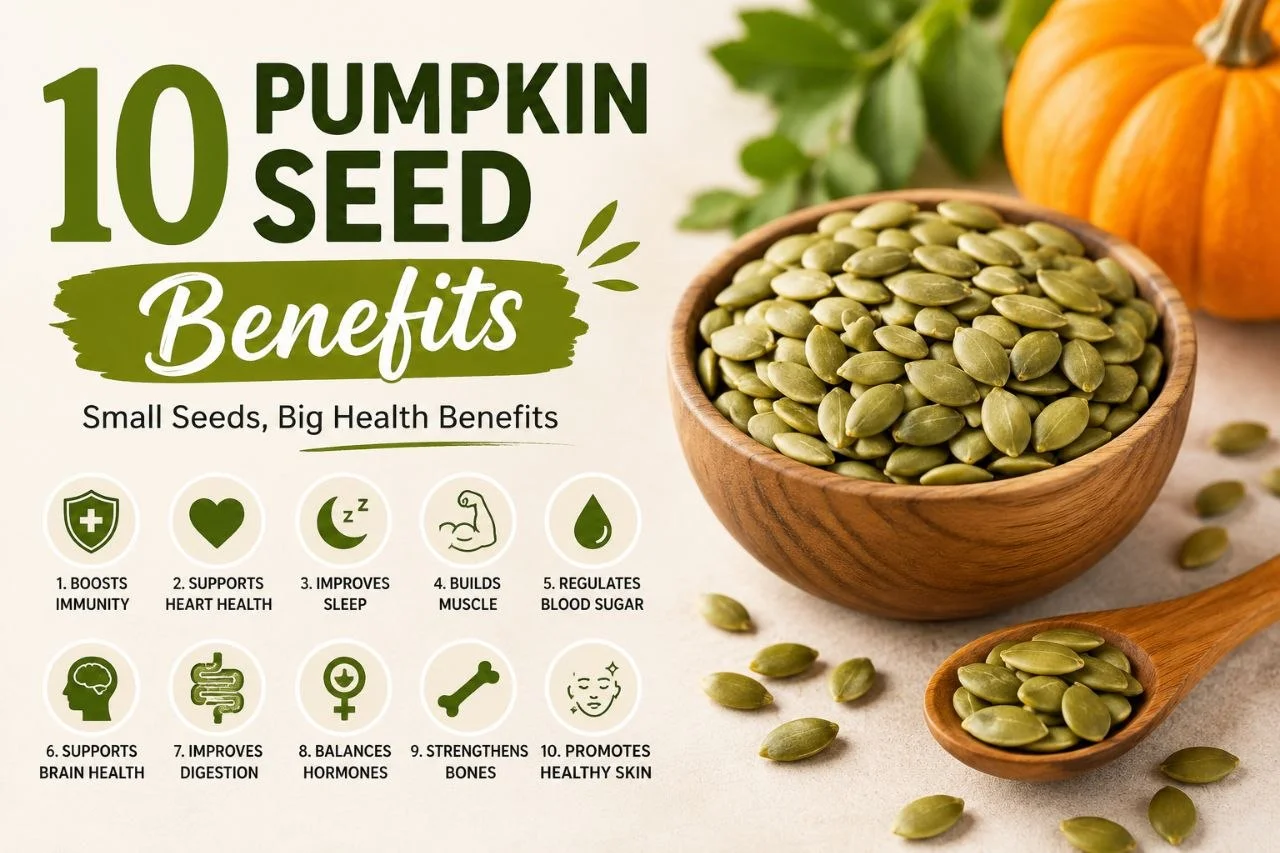
10 Pumpkin Seed Benefits: Why You Should Eat Them Daily. Every Indian kitchen throws them away. Every time someone cooks kaddu ki sabzi or kaddu ka halwa, the seeds — along with their stringy flesh — go directly into the bin. This complete investigation shows what pumpkin seeds actually contain at a molecular level: 30g…
-
Rice Nutrition Arsenic Truth, Diabetes Risk & Varieties Explained (2026) | SwastFit

Most websites claim Sona Masoori has a glycemic index of 51. The only published clinical trial found puts it at 72. This documentary-style investigation traces rice from its 9,000-year-old origins to the real science behind India’s most argued-about food — covering arsenic testing data specific to Indian basmati and West Bengal groundwater, the actual GI…
-
Wheat: Composition, Types, Nutrition, benifit,side effect

Wheat is India’s most eaten grain — yet most Indians don’t know the difference between whole wheat atta and maida, or why that difference drives diabetes and heart disease. This complete guide covers wheat nutrition per 100g, 10 science-backed health benefits, 7 side effects including celiac disease and phytic acid, a full grain comparison (wheat…

Author:
Tofikuddin Ahamed